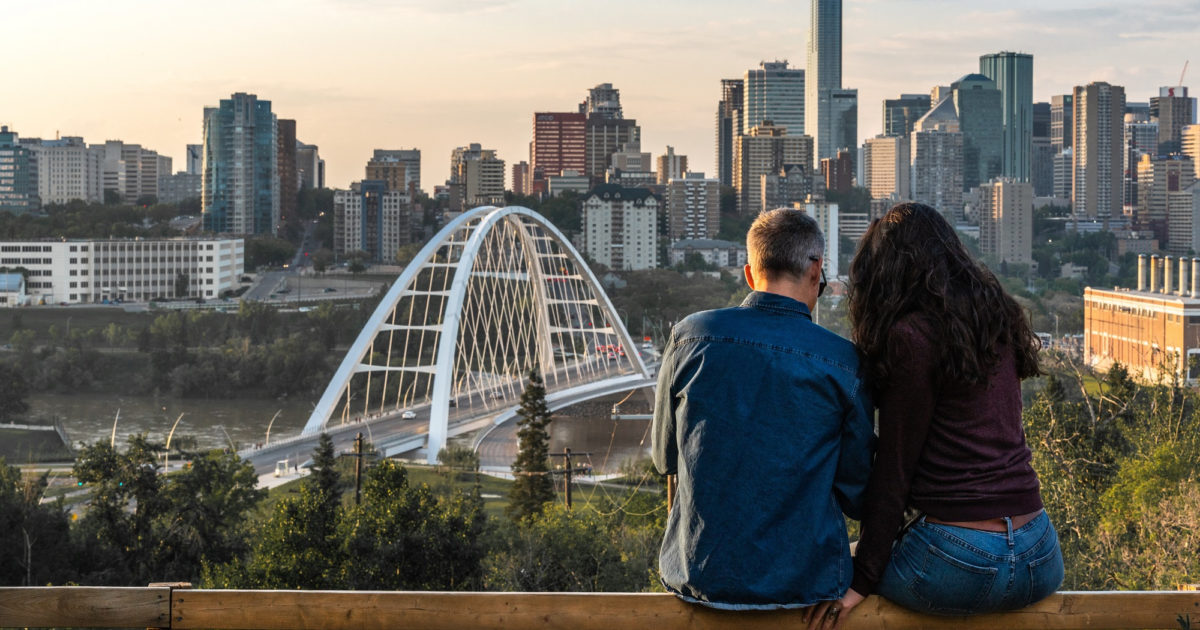

On Thursday, November 5, the federal government tabled Budget 2026, and tucked into the housing chapter is a change that matters to anyone who buys, sells or builds homes in Alberta. Ottawa plans to keep the foreign buyer ban in place for two more years, but to carve out new residential properties. Existing homes stay off limits to foreign buyers. Brand new ones will not.
If you have been wondering whether this opens the floodgates, or whether it changes anything for your own plans, here is a plain language walk through what we know, what we do not know yet, and what it means in the Edmonton market.
What Is Changing
The federal ban on foreign purchases of residential property came into force on January 1, 2023. It was first meant to last two years. In February 2024 it was extended to January 1, 2027, and it was set to expire then.
Budget 2026 proposes to extend the ban on foreign purchases of existing residential properties to January 1, 2029, while exempting new residential properties. The government says this keeps the vast majority of the market available for Canadians, while also drawing more investment into new housing supply.
The budget also says Ottawa will keep supporting other measures, including those from other levels of government, that address housing pressures such as speculation. Legislation and a regulatory process are promised "in short order."
The most important point for today: this is a proposal. Until legislation passes and regulations are written, the ban applies exactly as it does now.
A Quick Refresher on How the Ban Works
The ban applies to people who are not Canadian citizens or permanent residents, and to corporations controlled by them. It covers residential property in urban areas, meaning detached homes, semi detached homes, townhomes and condo units, along with buildings of up to three units, and it includes vacant land zoned for residential use. Buildings with four or more units and rural or recreational properties are not covered. The Edmonton area is covered.
There are exceptions that already exist. Certain temporary residents such as qualifying workers and international students, refugees and protected persons, and spouses buying with an eligible Canadian partner can buy under set conditions. There is also an exception for buying property to develop it.
The penalties are real. A foreign buyer who breaks the rule can face a fine of up to $10,000 and a court can order the property sold. Anyone who knowingly helps a prohibited purchase can face the same fine, which is why we take buyer status seriously on every file.
What We Still Do Not Know
The budget does not define "new residential property," and it does not give an effective date. Those details will decide how much this matters in practice. A few questions we are watching:
1. Does "new" mean only a home that has never been lived in, bought directly from the builder?
2. Does it include presale condos and homes bought before construction is finished?
3. What happens when a foreign owner later sells that new home? Does the next buyer face any restriction, and does the unit become "existing" the day it changes hands?
4. Will there be occupancy or resale conditions to prevent short term flipping?
5. Will land and lots count, or only completed homes?
Until the regulations answer these, anyone who is not a Canadian citizen or permanent resident should not assume a purchase is allowed. Talk to a real estate lawyer first.
Why Builders Asked for This
The home building sector has been asking for this change. The argument is simple. Presales are how many projects get financed, and foreign capital has historically helped bring shovels to the ground, with the Canadian Home Builders Association pointing out that those buyers take on early risk. The sector has argued that opening new construction to them would help get more homes built. Australia, which faces a similar housing shortage, bans foreign purchases of existing homes but allows new builds, and that model has been discussed as a template for Canada.
Critics will point to the other side. Affordability is the reason the ban exists, and some will worry that foreign money chasing new condos could push up prices at the entry level, or that it adds to speculation. Ottawa is betting that protecting the existing home market while opening new construction strikes the right balance. Reasonable people can disagree, and the evidence on how much foreign buyers move prices has always been debated.
What It Means for the Edmonton Market
Edmonton is an interesting place to see this land. Our builders have been busy. CMHC reports that Edmonton hit a record 21,337 housing starts in 2025, and while construction has moderated in 2026, with CMHC noting starts down more than 20 percent, activity is still above recent historical averages. CMHC also ranks Edmonton at the top nationally for its balance of housing supply and demand.
The resale market is softer. The REALTORS Association of Edmonton reported 1,959 sales in September 2026, down 8.8 percent from August and 10.3 percent from September 2025. New listings were 3,864, up 11.3 percent year over year, and inventory was up 16.7 percent from a year ago. The average residential price was $466,080, up 2.9 percent year over year, with detached homes averaging $569,820 and apartment condos averaging $208,672. In other words, Edmonton is moving toward balance, with more choice for buyers and less urgency.
Here is the practical read. In a market with growing inventory and unabsorbed new homes in some segments, an extra pool of buyers for new construction could help builders move projects forward. But Edmonton does not have the price pressure of Toronto or Vancouver, and unlike Ontario and British Columbia, we do not add a provincial or municipal foreign buyer tax. The ban was never the main thing holding Edmonton back, so we would expect any effect here to be modest and to show up first in new condo and townhome projects.
If You Are Buying
1. If you are a Canadian citizen or permanent resident, nothing changes for you. You are not affected by the ban or by this exemption.
2. If you are relocating to Edmonton from Ontario or anywhere else in Canada, you are a Canadian buyer. Your move is not touched by this, and you will have more inventory and negotiating room than buyers did a year or two ago.
3. If you are considering a new build, ask the builder directly how they will handle buyer status, deposits and closing while the rules are still being written. Get answers in writing.
4. If you are buying a new condo, read the disclosure and condo documents carefully, including the budget, reserve fund plan and any special assessment history. New does not mean risk free.
5. If you are not a Canadian citizen or permanent resident, check with a real estate lawyer before you make any offer. Existing homes remain restricted, and the new home exemption is not law yet.
If You Are Selling
Will this raise the value of my resale home? Probably not in any big way. The exemption points foreign demand toward new construction, not existing homes, so we do not expect it to push resale prices up.
Could it hurt my resale home? It may add some competition for buyers, since a new build becomes slightly more attractive to a wider pool of buyers. That is a small factor next to pricing, condition and timing.
Does it matter if I am selling to a buyer from outside Canada? Yes. If your buyer is a foreign national, the ban still applies to your existing home unless an exception fits. Your REALTOR should confirm buyer status early so your deal does not fall apart later.
I own a new build and plan to sell soon. Should I worry? Watch the regulations. How "new" is defined and what happens on resale could affect who can buy your home.
What to Watch Over the Next Year
The key dates and details to follow are the draft legislation, the regulations that define new residential property, and the effective date for the exemption. We also expect to see how builders respond with presale launches in Edmonton and area communities such as Sherwood Park, St. Albert, Leduc, Beaumont, Spruce Grove and Fort Saskatchewan. Mortgage rates, immigration levels and the fall slowdown in resale activity will matter more to most Edmonton buyers and sellers than this change.
The Bottom Line
This is a targeted change, not a reopening of the market. Existing homes stay protected for Canadians through at least January 1, 2029, new homes are set to become available to foreign buyers once the rules are finalized, and for most Edmonton families the day to day impact will be small. What does matter is knowing exactly where you stand before you buy or sell, and the details are still to come.
If you have questions about how this affects your plans, or you are weighing a new build against a resale home, call or message us and we will walk you through it.
780-905-6255 · thereteam.ca
Mary Bark & David Szusz, The Real Estate Team, RE/MAX River City
Sources: Government of Canada, Budget 2026, Chapter 3 (November 5, 2026); Canadian Mortgage Trends/Bloomberg (November 2026); Daily Hive (November 2026); Castanet (November 2026); The Realist (November 2026); federal foreign buyer prohibition Act and Regulations, commentary by Cassels and Fasken; Canadian Press via Advisor.ca (February 2024); REALTORS Association of Edmonton September 2026 statistics, via CREA and Daily Hive; CMHC Spring and Fall 2026 Housing Supply Reports, via Western Standard; REALTORS Association of Edmonton Q2 2026 Quarterly Market Report.